Stories That Help Children Choose Better Words


Teaching children to pause, choose their words, and make problems better—not bigger
FEATURE HIGHLIGHTS



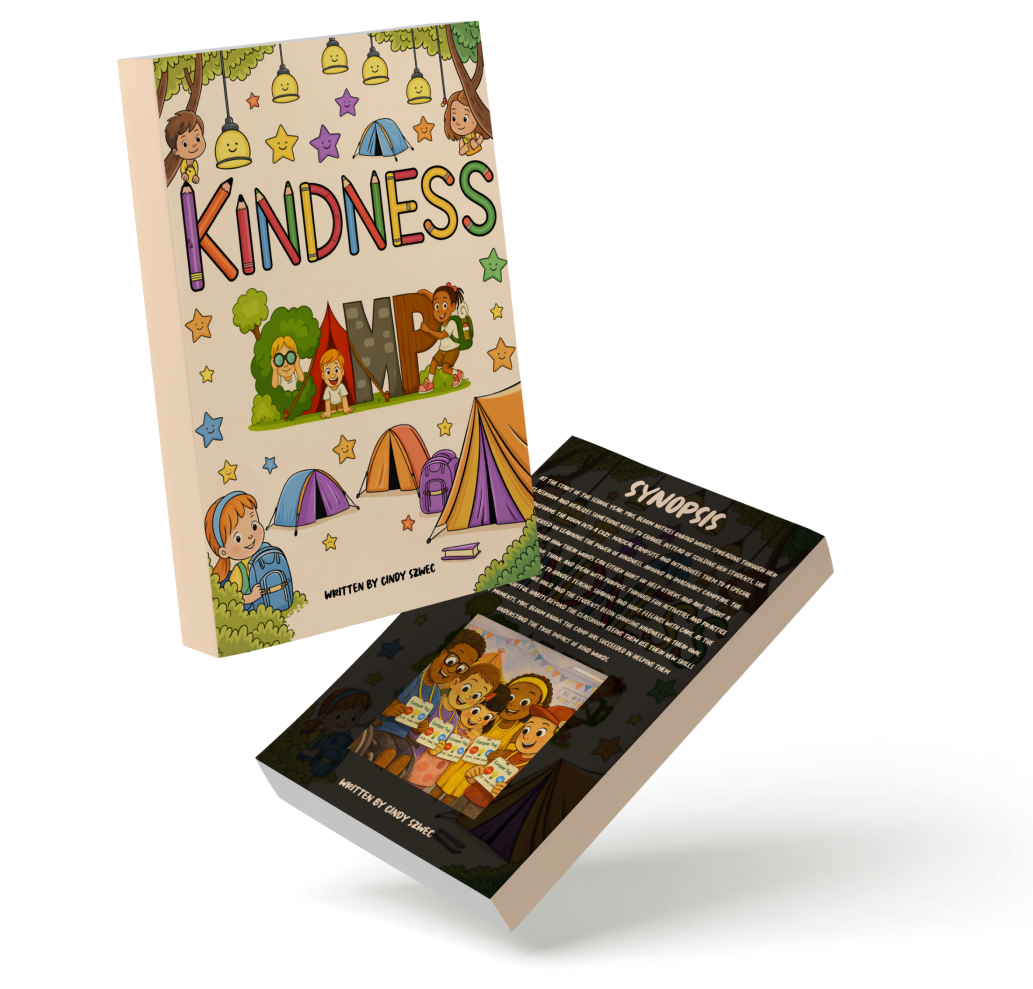
Kindness camp

Kindness doesn’t happen by accident—it’s learned, practiced, and nurtured.
- Featured Book
Kindness camp
A heartwarming children’s story that follows an elementary classroom as it transforms from chaos to compassion.
- Stop
- Think
- Speak with Good Purpose
- Featured Book
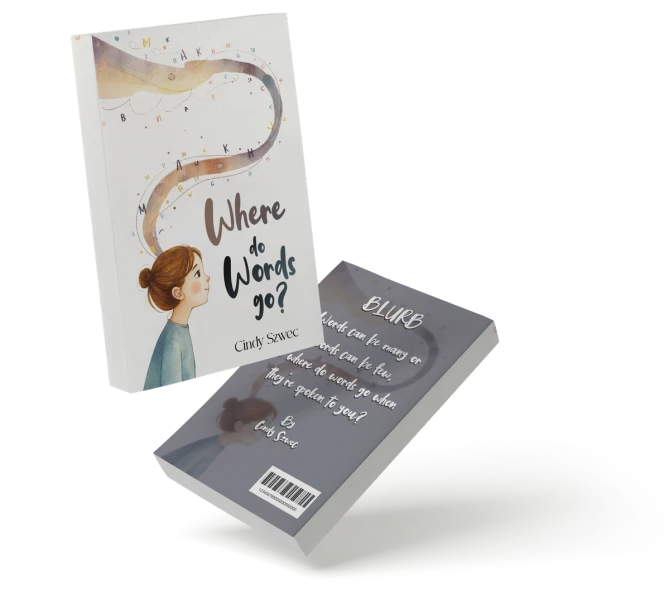
Where do words go?
Where do words go after we speak them?
In this thoughtful and beautifully illustrated children’s story, young readers discover the powerful journey words take from our minds, to our mouths, and finally into the hearts of others.
Where Do Words Go? gently explores how the things we say can make people feel happy, included, and loved, or sometimes hurt and left out. Through relatable playground moments and warm friendships, children learn that words are not just sounds. They are powerful choices.
This engaging picture book introduces an easy three-step idea children can remember every day:
Stop. Think. Speak with purpose.
- ABOUT THE AUTHOR
Meet Cindy Szwec
Cindy Szwec is a children’s author passionate about helping young minds navigate emotions, relationships, and everyday challenges with kindness and intention.
Her work centers on teaching children how to respond instead of react, reminding both kids and adults that we each carry responsibility for how we show up in the world—much like “carrying your own weather.”
Cindy’s storytelling blends warmth, real classroom experiences, and simple lessons that stay with children long after the final page.

- AUTHOR VISITS
Bring Kindness Camp to Your School or Classroom
- Reinforce kindness and communication skills
- Encourage student participation and reflection
- Support social-emotional learning goals
- Schools
- Libraries
- Community events
- Classroom workshops
- TESTIMONIALS
What Educators & Families Are Saying
“Kindness Camp gave my students language they actually use. When conflicts come up, I hear them say ‘stop and think’ before speaking. That alone has changed the tone of our classroom.”
“As a parent, I loved how simple and clear the message is. My child understood it immediately and started using the steps at home with siblings. It’s rare to find a book that truly carries over into daily life.”
“The camp theme makes learning kindness fun and memorable. My students didn’t feel lectured—they felt included. The story opened the door to meaningful discussions we still refer back to.”
“This book helped my child realize that words can make a problem better or bigger. We now pause and talk through situations using the same language from the story.”